What Is a Solid Wood Desktop? A Clear Breakdown
A solid wood desktop is a single piece of natural wood, cut directly from a tree. Unlike composite materials, it doesn’t have layers glued together. This means you get the full beauty and strength of real wood in its purest form. It’s a choice many shoppers make for its authentic look and feel.
When you choose solid wood, you’re investing in a desktop that offers unique grain patterns and natural variations. It’s a durable material that can last for decades, often becoming a cherished piece in your home or office. Many experts consider it a premium choice for its aesthetic appeal and longevity.
- Solid wood desks are made from a single plank of real wood.
- They are known for their natural beauty and unique grain.
- This material is very durable and can last a long time.
- It offers a classic and authentic feel to any workspace.
We’ve researched solid wood desktops and found there’s a lot to consider. Below, we’ll break down exactly what makes a solid wood desktop stand out and what you should know before you buy. If you’re considering a workspace upgrade, our guide to a sit-stand desk explains how they work.
Understanding Solid Wood Desktops: A Detailed Look
So, what exactly sets a solid wood desktop apart? It’s all about its construction. Unlike furniture made from particleboard or MDF (medium-density fiberboard), a solid wood desk is crafted from one single piece of lumber. Imagine a thick, beautiful plank of oak, walnut, or maple – that’s the heart of a solid wood desktop. This means you get the full, uninterrupted grain pattern and natural character that only real wood can provide. It’s a choice that speaks to authenticity and a desire for something truly natural in your workspace.
The Beauty of Natural Wood Grain
One of the most appealing aspects of a solid wood desktop is its unique grain pattern. No two trees are exactly alike, and that uniqueness carries over to the wood. You’ll see variations in color, knots, and the swirling lines of the grain. This natural variation is often considered a feature, not a flaw. It gives your desk a one-of-a-kind personality, making it a true statement piece. Think of it like a fingerprint – entirely individual and full of character.
Understanding Wood Types for Desktops
When you look at solid wood desktops, you’ll find they come in a variety of wood species. Each type offers a different look, feel, and durability. It’s helpful to know the common options so you can pick the one that best fits your style and needs. We’ve found that many shoppers appreciate knowing these differences upfront.
Hardwoods vs. Softwoods
Generally, hardwoods come from deciduous trees (those that lose their leaves annually) and are typically denser and more durable. Softwoods come from coniferous trees (evergreens) and are generally less dense. For desktops, hardwoods are often preferred due to their resistance to dents and scratches.
Popular Wood Species and Their Characteristics
Let’s break down some of the most common wood types you’ll encounter for solid wood desktops:
- Oak: Known for its strength and distinctive grain patterns, oak is a very popular choice. It’s durable and can withstand daily wear and tear. Red oak often has a pinkish hue, while white oak is more grayish-brown and naturally resistant to moisture. Many people choose oak for its classic, robust look.
- Maple: Maple offers a smooth, fine grain and a lighter, creamy color. It’s a hard and dense wood, making it very durable. Its uniform appearance is perfect for a clean, modern aesthetic. It also takes finishes very well, allowing for a wide range of looks.
- Walnut: Walnut is prized for its rich, dark brown color and beautiful, often wavy grain. It’s a hardwood that is both strong and elegant. Walnut desks often have a luxurious feel and can add a touch of sophistication to any office. Its natural color variation is a big draw for many.
- Cherry: Cherry wood is known for its warm, reddish-brown color that deepens and becomes richer with age. It has a fine, straight grain. While beautiful, cherry is a bit softer than oak or maple, so it might show dents more readily. However, its aging color is something many people adore.
- Pine: Pine is a softwood, making it more affordable and lighter in weight. Its grain is often more prominent with noticeable knots, giving it a rustic or farmhouse feel. Pine is softer, so it can be more prone to dings and scratches, but this can also add to its charm over time.
Construction: What “Solid” Really Means
When we talk about a “solid wood desktop,” it’s important to understand that it means the entire top surface is made from a single piece of wood. This is different from “glued-up” or “butcher block” style tops, which are made from multiple smaller pieces of wood joined together. While glued-up tops are still solid wood, a single plank offers a more continuous and often more visually striking grain pattern. We’ve found that some shoppers prefer the unbroken look of a single plank.
Single Plank vs. Glued-Up (Butcher Block)
A single plank desktop is literally just that – one solid piece of wood. This is often seen as the premium option because it showcases the tree’s natural growth in a more unbroken way. Glued-up desktops, on the other hand, are made by joining many strips of wood together side-by-side. This method is also durable and still uses solid wood, but the visual effect is more segmented, resembling a butcher’s block. Both are good options, but the visual difference is key.
Benefits of Single Plank Construction
The primary benefit of a single plank is its visual continuity. You see a more expansive and unbroken grain, which many find more aesthetically pleasing. It can give a desk a grander, more uniform appearance. This type of construction can be harder to find and may come at a higher price point due to the size of the lumber required.
Benefits of Glued-Up Construction
Glued-up construction is often more cost-effective because it uses smaller pieces of wood that are more readily available. This method also tends to be very stable. The joining process can actually make the desktop more resistant to warping and cracking compared to a single, very wide plank, especially in environments with fluctuating humidity. The varied strips can also create an interesting mosaic-like pattern.
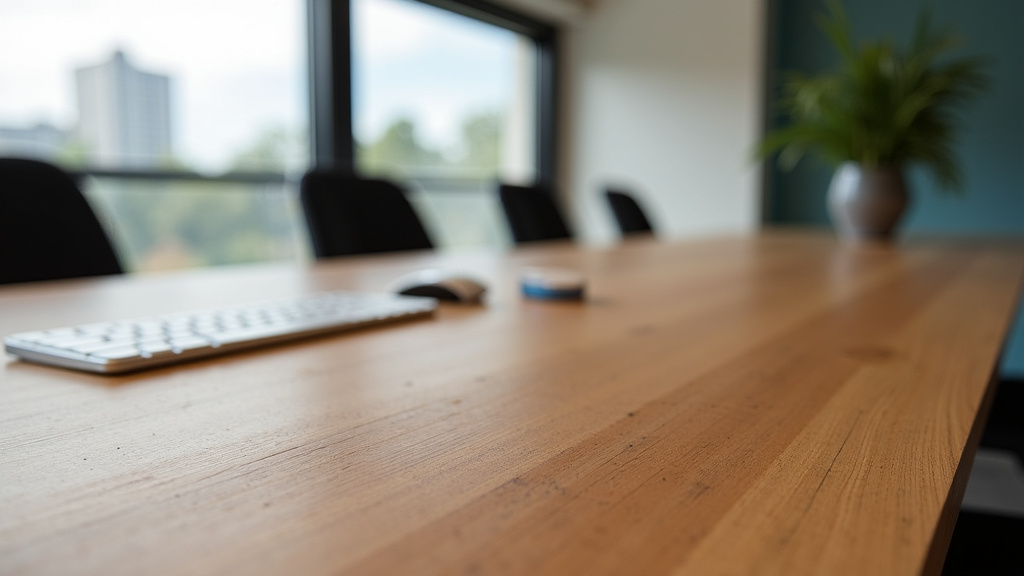
Durability and Longevity: Your Desk for Years to Come
Solid wood desktops are renowned for their durability. When properly cared for, a solid wood desk can last for decades, even generations. Think about antique wooden furniture you might have seen – that’s the potential lifespan we’re talking about. Unlike engineered wood products, solid wood can often be repaired if it gets scratched or damaged. For instance, minor scratches can sometimes be sanded out and refinished, restoring its appearance. This reparability is a significant advantage for long-term ownership.
Caring for Your Solid Wood Desktop
To ensure your solid wood desktop stands the test of time, a little care goes a long way. Regular dusting with a soft cloth is essential. You’ll want to avoid harsh chemicals, as they can strip the finish or damage the wood itself. Using coasters for drinks is also a good practice to prevent water rings or heat marks. If you notice any spills, wipe them up immediately.
Protecting Against Moisture and Heat
Extreme temperature fluctuations and high humidity can cause wood to expand and contract, potentially leading to warping or cracking over time. It’s wise to keep your desk away from direct heat sources like radiators or vents. Using a humidifier in very dry environments can help maintain a stable moisture level. Many experts recommend maintaining a consistent indoor humidity level of around 40-60% (National Wood Flooring Association).
The Role of Finishes
The finish on your solid wood desktop plays a vital role in its protection. Common finishes include lacquer, polyurethane, and oil. Polyurethane is very durable and provides excellent protection against spills and scratches. Oil finishes penetrate the wood, offering a more natural look and feel, but may require more frequent reapplication. The right finish helps maintain the wood’s beauty while providing a barrier against everyday wear.
Factors to Consider Before Buying
Before you make your purchase, there are a few key things to think about. It’s not just about the wood type; other factors can impact your satisfaction. We’ve found that being prepared helps shoppers feel more confident in their choice.
Here’s a quick checklist to guide you:
- Wood Species: Does the color and grain match your style?
- Construction: Do you prefer a single plank or a glued-up look?
- Finish: Is the finish durable and suitable for your needs?
- Size and Shape: Will it fit your space and workflow?
- Budget: How does the wood type and construction affect the price?
- Maintenance: Are you prepared for the care required for solid wood?
| Wood Type | Typical Color | Grain Pattern | Hardness (Janka Scale) | Durability | Best For |
|---|---|---|---|---|---|
| Oak | Light to medium brown, sometimes with reddish tones | Pronounced, often straight or cathedral | Very Hard | High | Classic, durable workspaces |
| Maple | Creamy white to light brown | Fine, uniform, often subtle | Very Hard | High | Modern, clean aesthetics |
| Walnut | Rich dark brown | Often wavy, can be straight | Medium-Hard | Good | Elegant, premium workspaces |
| Cherry | Warm reddish-brown (darkens with age) | Fine, smooth, usually straight | Medium | Moderate (can dent more easily) | Warm, evolving aesthetics |
| Pine | Light yellow to brown, with knots | Prominent, often with knots | Soft | Moderate (prone to dents) | Rustic, farmhouse styles |
Conclusion
You’ve learned that a solid wood desktop is a single, natural plank of wood, offering unmatched beauty and durability. We found that understanding wood types like oak, maple, and walnut, along with construction methods like single plank versus glued-up, helps you make a smart choice. Remember, the finish and proper care are key to your desk lasting for years. Now that you know the essentials, take a moment to consider your personal style and workspace needs. Your perfect solid wood desktop awaits!
Frequently Asked Questions
Are solid wood desktops worth the investment?
Yes, solid wood desktops are generally considered a worthwhile investment. Their durability means they can last for decades, often becoming heirloom pieces. Their natural beauty also adds timeless appeal to your space, making them a lasting choice compared to composite materials.
Can solid wood desktops be repaired if damaged?
Absolutely. One of the major advantages of solid wood is its reparability. Minor scratches and dents can often be sanded out and refinished, restoring your desktop’s appearance. This ability to be repaired means your desk can look great for many years.
How do I prevent damage to my solid wood desktop?
To protect your desktop, regularly dust it with a soft cloth and avoid harsh cleaning chemicals. Always use coasters for drinks to prevent water rings and wipe up spills immediately. Keeping the desk away from direct heat sources and maintaining consistent humidity also helps prevent damage.
What’s the difference between a single plank and a glued-up solid wood desktop?
A single plank desktop is made from one wide piece of wood, showcasing an unbroken grain pattern. A glued-up (or butcher block) desktop is constructed from multiple smaller strips of solid wood joined together. While both are solid wood, the single plank offers a more continuous visual, while glued-up can be more stable and cost-effective.
Will my solid wood desktop look exactly like the picture online?
Your solid wood desktop will be similar to the pictures, but expect natural variations. Each piece of wood has unique grain patterns, knots, and color tones, as no two trees are identical. These natural differences are what give your desk its individual character and authentic charm.