What Is a Rubberwood Desktop? What to Expect
A rubberwood desktop is a surface made from the wood of the rubber tree, often glued together in strips. It’s known for being an eco-friendly and affordable choice for desks and tables. Many shoppers choose it because it offers a natural wood look without the high cost of other hardwoods. You’ll find it used in a variety of furniture styles.
Rubberwood furniture has gained popularity over the years. This wood is a byproduct of the latex industry, making it a sustainable option. We found that its durability and attractive grain pattern are major selling points for homeowners and businesses alike. It’s a solid choice if you’re looking for a practical and budget-friendly desk.
TL;DR:
- Rubberwood desktops come from rubber trees.
- They are an eco-friendly and affordable wood option.
- Often made by gluing strips of wood together.
- A popular choice for desks and tables due to its natural look and durability.
Let’s break down what you can expect from a rubberwood desktop, from its appearance to its care needs.
Understanding Your Rubberwood Desktop: What to Expect
A rubberwood desktop offers a unique blend of natural beauty and practical benefits. You’re likely considering one for its attractive look and budget-friendliness. We’ve researched what makes this wood a popular choice for home and office furniture.
Rubberwood is harvested from the *Hevea brasiliensis* tree. This is the same tree that produces latex. It’s a fantastic example of upcycling in furniture. Once the tree’s latex production slows down, usually after 25-30 years, the wood is harvested for use in manufacturing. This means you’re choosing a material that is a byproduct of another industry, making it a truly sustainable option. Many shoppers find this aspect very appealing for their home furnishings.
The Appearance of Rubberwood Desktops
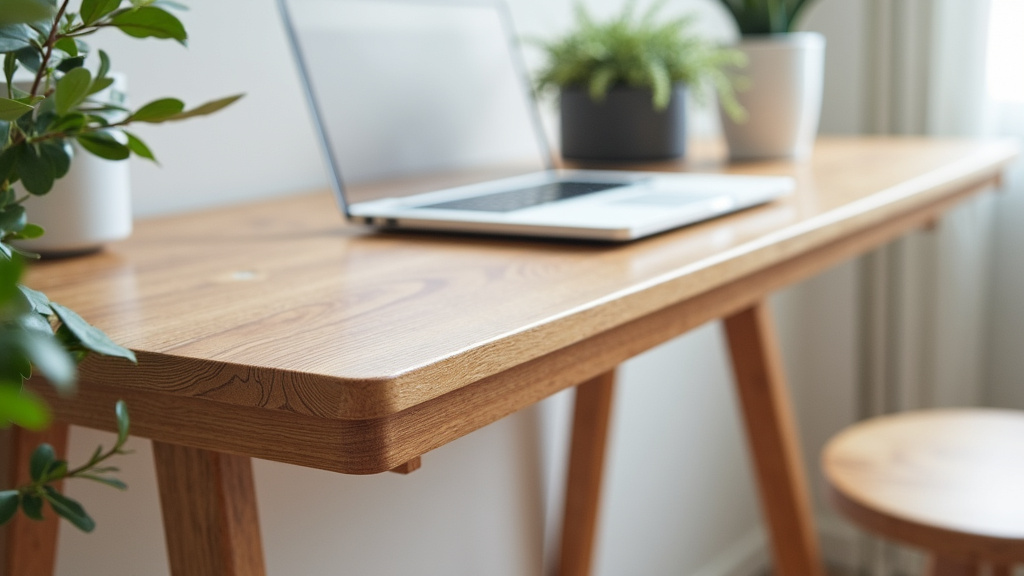
You can expect a rubberwood desktop to have a warm, natural look. The wood is typically a light tan or creamy beige color. This neutral tone makes it easy to match with various decor styles. It’s also a great base for stains, allowing manufacturers to create finishes that mimic more expensive hardwoods like oak or cherry.
Grain Patterns and Variations
Rubberwood often features a straight, fine grain. You might see some subtle wavy patterns as well. Because it’s usually made from glued strips, you’ll notice these joined lines running horizontally across the surface. This is normal and part of its construction. It gives the desktop a distinct, segmented appearance that many people find attractive. Think of it like a well-organized bookshelf.
The exact look can vary from one desktop to another. Factors like the specific part of the tree used and the finishing process play a role. You might find slight color differences or occasional small knots. These natural variations add to its charm and assure you that it’s a real wood product, not a laminate.
Finished vs. Unfinished Options
When shopping, you’ll likely see rubberwood desktops offered in both finished and unfinished states. An unfinished desktop gives you the freedom to customize. You can apply your own stain, sealant, or paint to perfectly match your existing furniture or color scheme. This is a great choice if you have a specific vision for your workspace.
Finished desktops come ready to use. They are typically sealed with a protective coating. This coating helps to resist moisture and wear. Common finishes include clear coats, matte seals, or even glossy varnishes. We found that a good quality finish is essential for protecting the wood and making it easy to clean.
Durability and Longevity
Rubberwood is known for being a hardwood. It’s quite dense and robust. This makes it a good choice for a desk surface that will see daily use. It can stand up to the weight of monitors, books, and other work essentials. You can feel confident that your desktop will hold up over time.
Resistance to Wear and Tear
Compared to softer woods, rubberwood offers better resistance to scratches and dents. While it’s not completely immune, it’s more forgiving than pine or fir. Regular use is unlikely to cause significant damage if you’re reasonably careful. Think of it like durable work boots versus flimsy sandals — they can handle more.
The density of the wood also means it’s less prone to warping or cracking. This is especially true when the wood has been properly dried and constructed. A well-made rubberwood desk should remain stable and true for many years. This stability is key for a functional workspace.
Moisture and Heat Considerations
Rubberwood has moderate resistance to moisture. However, it’s not waterproof. Spills should be wiped up immediately to prevent staining or potential damage. Prolonged exposure to excessive moisture can cause the wood to swell or warp. This is a common trait for most natural wood products.
Similarly, placing hot items directly on the surface can leave marks. It’s wise to use coasters or mats for hot mugs or plates. Most finishes offer some protection, but extreme temperatures can still affect the wood or its coating. We recommend treating it with care to ensure its longevity.
Assembly and Construction
Most rubberwood desktops arrive unassembled. They are typically shipped in pieces that you will need to put together. The most common construction method involves gluing strips of rubberwood together. This creates a solid slab. Sometimes, these slabs are then joined together to form larger desktops.
Common Assembly Steps
Assembly usually involves attaching the desktop to its legs or frame. This might require a screwdriver or Allen wrench, which is often included. You’ll typically align pre-drilled holes and secure them with screws or bolts. It’s usually a straightforward process that most people can handle.
We found that following the manufacturer’s instructions carefully is important. Ensure all screws are tightened securely, but avoid over-tightening, which can strip the wood. Having a second person to help can make attaching larger or heavier desktops much easier. Taking your time will lead to a sturdy final product.
Care and Maintenance Tips
Keeping your rubberwood desktop looking its best is relatively simple. Consistent care will ensure it remains a functional and attractive part of your space for years to come.
Daily Cleaning Routine
For daily cleaning, a soft, damp cloth is usually sufficient. Wipe down the surface to remove dust and any minor spills. Avoid using harsh chemical cleaners or abrasive pads. These can damage the finish and the wood itself. A mild soap mixed with water can be used for tougher spots, but always wipe with a clean, damp cloth afterward to remove residue.
Protecting the Surface
As mentioned, use coasters for drinks and placemats for hot items. You might also consider using a desk mat, especially if you plan to write or use a mouse extensively on the surface. This adds an extra layer of protection against scratches and wear marks. Regular dusting also prevents grit from scratching the finish.
Refinishing Options
Over time, the finish on your rubberwood desktop might wear down in high-use areas. If this happens, you have the option to refinish it. Light sanding followed by a new coat of stain and sealant can restore its original appearance. This makes rubberwood a great long-term investment because it can be renewed.
For example, if you notice a few scratches, you can lightly sand those areas and reapply a matching finish. Many users find this revitalizes the entire desk. This ability to refresh the surface is a big advantage over other materials.
Is Rubberwood a Good Choice for Your Desktop?
Rubberwood offers a compelling combination of features. It’s an eco-friendly material derived from a sustainable source. Its natural beauty, durability, and affordability make it a smart choice for many shoppers.
You get the look and feel of solid wood without the premium price tag. Its hard surface resists daily wear, and with proper care, it can last for many years. The ability to refinish it means your desk can adapt and remain beautiful over time.
Key Considerations for Buyers
When deciding, remember to consider its construction. The glued strips are standard and contribute to its strength. Also, be mindful of moisture and heat, as with any natural wood product. Following simple care instructions will keep your desktop in great shape.
Ultimately, a rubberwood desktop is a practical and aesthetically pleasing option. It brings a touch of nature into your workspace while being kind to your wallet and the environment. Many people find it meets their needs perfectly for a functional and attractive desk.
Your Rubberwood Desktop Checklist:
- Consider the finished vs. unfinished look for customization.
- Be prepared for a segmented look from glued wood strips.
- Understand its durability but also its need for moisture protection.
- Follow assembly instructions carefully for a stable desk.
- Wipe spills promptly and use coasters for hot items.
- Refinishing is an option for long-term maintenance.
Conclusion
You’ve learned that rubberwood desktops are a practical and sustainable choice for your workspace. They offer a natural wood appearance at a great price. While they are durable hardwoods, remember they need care like any natural wood product. Proper cleaning and protection against moisture will keep your desk looking good.
Considering a rubberwood desktop? Think about your preferred finish and how you’ll use the space. With a little attention, your rubberwood desk can be a reliable and attractive centerpiece for years. Now, you’re well-equipped to make a confident decision for your home or office.
Frequently Asked Questions
Is rubberwood furniture as strong as other hardwoods?
Yes, rubberwood is considered a hardwood and is quite dense. We found it offers good durability and resistance to scratches and dents compared to softer woods. It’s a solid choice for everyday use.
Can I paint or stain a rubberwood desktop myself?
Absolutely. If you choose an unfinished rubberwood desktop, it’s a fantastic blank canvas. You can apply your own stain, paint, or sealant to perfectly match your decor. Just be sure to prepare the surface properly first.
How do I clean spills on a rubberwood desk?
Wipe up spills immediately with a soft, damp cloth. Avoid harsh chemicals, as they can damage the finish. For tougher spots, a mild soap and water solution works well, followed by a clean, damp cloth to remove any residue.
Will my rubberwood desk have visible glue lines?
It’s common for rubberwood desktops to be made by gluing strips of wood together. This means you will likely see these joined lines running across the surface. Many find this adds to its unique, segmented appearance.
How long can I expect a rubberwood desktop to last?
With proper care and maintenance, a rubberwood desktop can last for many years. Its hardwood density provides good resistance to daily wear. The ability to refinish it also means you can refresh its look if it becomes worn over time.