Drafting Chair vs Office Chair: Which Should You Choose? (November 2026)
Choose a drafting chair for a raised work surface and an office chair for a standard desk. Seat height, foot support and desk fit matter more than the chair label.
On this page (6 sections)
Choose a drafting chair for a raised work surface and an office chair for a standard desk. In the drafting chair vs office chair decision, seat height, foot support and desk fit matter more than the chair label.
A drafting chair sits higher and often includes a foot ring to support your feet when they can't reach the floor. An office chair is built around a lower desk height, so its seat and armrests may fit a typical workstation better.
The Primy Drafting Chair Tall Office Chair has an adjustable foot ring and flip-up armrests. The BestOffice Ergonomic Office Chair has an adjustable 17.1–20.3 in seat height, a range aimed at standard desk setups.


Drafting chair vs office chair: which height fits your desk?
Choose the chair that lets you work with relaxed shoulders and supported feet. A drafting chair is made for a raised desk or counter; a standard office chair suits a lower desk.
Measure the height from the floor to the underside of your desk. Then compare it with the seat height and armrest position of the chair you're considering.
The Brick Attic Drafting Chair has a 29.15 in seat height and an adjustable foot ring. The BestOffice office chair adjusts from 17.1 to 20.3 in, a much lower range.
Those measurements show why the chair types aren't direct substitutes. A tall chair can leave you reaching up to type at a standard desk, while a low chair may put a raised work surface above comfortable reach.
How to measure for a drafting chair
Measure from the floor to the top of the seat, then compare that height with your desk surface and your seated elbow position. Allow enough room for your thighs under the desk, too.
A desk that rises and lowers can support both sitting and standing, but the seated position still needs to line up with the chair. Our guide to choosing a standing desk explains what to consider when matching desk height to your work setup.
If you're choosing a frame before a desktop, see how to choose a standing desk frame. The finished desk height depends on the frame, desktop thickness and floor space for the chair.
When is a drafting chair the better choice?
Choose a drafting chair when your work surface sits higher than a regular desk and you want a tall seat with foot support. It's a practical fit for a standing desk used at a raised sitting height, a studio counter or a high workbench.
A foot ring gives your feet a place to rest when the seat is too high for the floor to provide support. A ring that adjusts can help you position it for your legs and desk height.
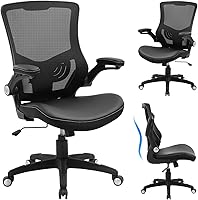
The Primy chair combines an adjustable foot ring with a curved backrest, adjustable lumbar support and a breathable mesh back. Its armrests flip up, which can help you move closer to the desk when the arms otherwise meet the desktop.
Is a drafting chair useful at a standing desk?
Yes, if the desk lowers enough for comfortable seated work and the chair reaches the right height. A drafting chair lets you alternate between standing and sitting without needing a separate standard desk.
Check whether the desk can lower to a position that matches the chair. A chair that is too tall for the lowest setting can leave your shoulders raised and your wrists bent while typing.
For more choices, compare drafting chairs for standing desks. If arm clearance matters, look at drafting chairs with arms and check whether the arms can move out of your way.
Who should consider the Brick Attic drafting chair?
Consider the Brick Attic if you want a tall chair with a PU leather seat and adjustable foot ring. Its seat height is 29.15 in, and the backrest can be removed.
The chair's foot ring adjusts up and down by 7.87 in. The maker also gives a seat width of 15.8 in, so compare that measurement with the space you need to sit comfortably.
The PU leather surface is designed to be wiped clean. For another upholstery comparison, see leather vs fabric gaming chairs.
If you want more cushioning behind your arms, check the exact chair shape and whether the detachable backrest fits your work needs.
When does a standard office chair make more sense?
Choose a standard office chair for a typical desk where a lower adjustable seat is enough. It usually fits beneath a regular work surface without needing a tall base or foot ring.
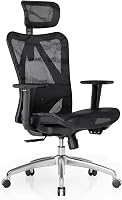
The BestOffice chair adjusts from 17.1 to 20.3 in and has a mesh back, lumbar support and armrests. For another ergonomic office chair comparison, see Sihoo M18 vs M57.
That's a more relevant seat-height range for a conventional desk than the 29.15 in seat height of the Brick Attic drafting chair.
A standard chair may be easier to tuck under a desk, but the armrests still need clearance. Check whether they fit below the desktop and allow you to sit close enough for typing.
For a wider overview of seat styles, adjustments and support features, read our ergonomic office chair buying guide. If you're comparing a familiar model, see the Sihoo M57 ergonomic office chair review.
Should you choose an office chair with a footrest?
A footrest helps only if it lets you rest your feet without changing your working posture. A drafting chair's foot ring supports your feet at a taller seat height, while a reclining chair's footrest is mainly useful for relaxing.
The GTPLAYER Gaming Chair includes a retractable footrest, headrest and lumbar pillow. Its design is different from a drafting chair, so check the chair's height and how it fits your desk before treating it as an alternative.
A footrest that extends into a walkway can also get in the way. Leave room to extend it, and make sure it doesn't push the chair too far from your work surface.
How should foot support affect your choice?
Your feet need support at the seat height you use. That can come from the floor, an adjustable foot ring or a separate footrest.
When seated in a standard office chair, many people can keep their feet on the floor. If they dangle, lower the seat if possible or add a stable footrest.
A drafting chair often raises the seat beyond floor reach. Its ring can support the feet, but adjust the ring so it doesn't press into the back of your legs.
Fixed seat height or adjustable range?
An adjustable range gives you more room to match the chair to different desk heights. A fixed or single stated seat height needs a closer measurement check before you buy.
The BestOffice seat range is 17.1–20.3 in. The Brick Attic chair is specified at 29.15 in, while the Primy chair has an adjustable foot ring but no seat-height range stated here.
Measure your own seated position and the desk, then compare the figures for the exact chair. Don't assume that two chairs labeled “drafting” will adjust to the same height.
Which chair is easier to fit in a small workspace?
A standard office chair is often easier to tuck below a regular desk, while a drafting chair needs room for its taller base and foot ring. Measure the chair's footprint and the space around your desk before deciding.
The Brick Attic chair has a 23.6 in square base dimension. The Primy chair has a five-claw base, rolling casters and flip-up arms that can help when you need to move it or clear space beside the desk.
Consider the route between your chair and the desk, too. A foot ring or extended footrest can take up space even when you aren't working.
If you need a tall seat but want a softer upholstery surface, compare leather drafting chairs. The chair's height and foot support should still match your desk before you choose by material.
Which chair should you choose?
Pick a drafting chair if your desk is raised and you need a tall seat with a foot ring. Pick a standard office chair if you work at a typical desk and its lower seat range fits your body and desk height.
For another seating-style comparison, see kneeling chairs vs office chairs.
The Primy chair is the more flexible tall-seat option here because it pairs an adjustable foot ring with flip-up arms. The BestOffice chair suits a standard desk with its 17.1–20.3 in adjustable seat height.
For a deeper look at tall-seat features, compare the best ergonomic drafting chair options. Your final drafting chair vs office chair choice should follow your measured desk height, foot support needs and available clearance.
Frequently asked questions
Is a drafting chair better than an office chair?
A drafting chair is better when your desk or counter is raised and you need a higher seat with foot support. A standard office chair is usually a better fit for a regular desk.
Check your desk height, the chair's usable seat height and whether your feet can rest comfortably before choosing.
Can you use a drafting chair at a standing desk?
Yes, a drafting chair can work at a standing desk when its seat adjusts high enough for the seated position and its foot ring supports your feet. Confirm that the desk can lower to a comfortable seated height, and check that the armrests don't prevent you from moving close to the desktop.
Do drafting chairs need a foot ring?
A foot ring is useful when a tall seat leaves your feet without floor support. It gives you a place to rest them while seated, but it should adjust to a comfortable position.
If your feet already rest flat on the floor with knees near desk height, a ring may be unnecessary.
How do I choose between a drafting chair and a standard office chair?
Measure from the floor to the underside of your desk, then compare that space with the chair's seat-height range and armrest height. At the chosen seat height, your shoulders should stay relaxed and your feet should have support.
Pick a drafting chair for a raised surface and a standard chair for a typical desk.