Kneeling Chair vs Office Chair: Which Should You Choose? (November 2026)
Choose a kneeling chair if you want an upright, open sitting position and can change positions during the day; choose an office chair for a backrest, armrests and more familiar support. Your desk fit, comfort and ability to take breaks matter as much as the chair style.
On this page (7 sections)
- Kneeling chair vs office chair: what changes?
- Which chair is more comfortable for daily work?
- Which chair gives you more freedom to move?
- How should you choose for your desk and room?
- Is a kneeling chair a good replacement for an office chair?
- How do you adapt to a kneeling chair?
- Which should you choose?
Choose a kneeling chair if you want an upright, open sitting position and can change positions during the day; choose an office chair for a backrest, armrests and familiar support. In a kneeling chair vs office chair comparison, the right fit depends on your comfort, desk height and how you work.
A kneeling chair has a seat and padded supports for your shins, with no backrest on the models here. A conventional office chair supports your back against a backrest and may include armrests, swivel and height adjustment.
Neither chair makes movement or good desk fit automatic. If you sit for long stretches, plan to stand, walk or switch positions as your work allows.
 Best for adjustable kneeling
NYPOT Ergonomic Kneeling Chair with Adjustable Seats

Kneeling chair vs office chair: what changes?
A kneeling chair changes how your weight is supported, while an office chair gives you a backrest to lean against. That difference affects how each may feel over a work session.
A kneeling chair positions you with your hips angled forward and your shins resting on padded supports. The design encourages an upright posture, but you still need to adjust the seat and desk so your shoulders and arms feel comfortable.
A standard office chair lets you rest your back against the chair. Many models include height adjustment, armrests and swivel, so you can move the seat to fit your work surface.
The guide to what a kneeling chair is explains the basic position and how to use one. If you're also comparing conventional chairs, our ergonomic office chair guide covers common features such as back support and seat adjustment.
Which chair is more comfortable for daily work?
Choose the chair that lets you work without persistent pressure and gives you a way to change position. Comfort depends on how the chair fits your body and desk, not only on its design.
A kneeling chair may suit you if you like sitting upright and don't need to lean back often. Read whether kneeling chair knee concerns if knee pressure is a concern.
Its open position can feel unfamiliar at first, and your shins may take pressure from the padded supports.
A conventional chair may suit you if you prefer a backrest or use armrests while typing. Mesh, cushioning and seat-height adjustment can affect comfort, but they don't remove the need to stand or shift position during the day.
If you have ongoing back or leg discomfort, don't rely on a new chair to solve it. Consider asking a health professional for advice, and stop using a position that causes pain.
What can you adjust on a kneeling chair?
Some kneeling chairs let you adjust seat height or the position of the pads. That can help you match the chair to your desk, but a correct fit still depends on your height and working posture.
The NYPOT Ergonomic Kneeling Chair with Adjustable Seats has adjustable seat pads and a gentle rocking motion. NYPOT says the chair works with most standard desks from 29 to 35 inches and supports up to 250 lb.
The NYPOT Ergonomic Kneeling Chair for Office also has adjustable height and a rocking base. The brand notes that a poor seat or desk-height match may cause pressure on the shins or lower back, so take time to set it up and ease into use.
What can you adjust on an office chair?
A conventional office chair may offer seat-height adjustment, a swivel base and armrests. These options can make it easier to set up for a desk, though you should still check the chair's fit rather than relying on the feature list.
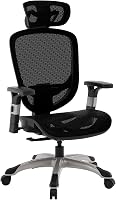
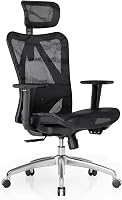
The BestOffice Ergonomic Office Chair has a mesh mid-back, lumbar support, armrests and adjustable seat height from 17.1 to 20.3 inches. Its maker says the mesh back promotes airflow.
The GTPLAYER Gaming Chair has a solid back, headrest, lumbar pillow and pull-out footrest. Those features may appeal if you want a chair for both focused work and reclining breaks.
Which chair gives you more freedom to move?
A kneeling chair encourages a different seated posture, while an office chair may make it easier to swivel or roll around your workspace. Neither replaces breaks or movement away from your desk.
The NYPOT kneeling chairs have a rocking base. The gentle motion lets you shift while seated, but it doesn't mean you should stay in one position for hours.
The BestOffice chair swivels and has rolling wheels. The GTPLAYER chair also swivels, and its footrest lets you put your feet up during a break.
Use the features that help with your tasks. A swivel can help you turn between a desk and nearby storage, while a footrest may help you rest during a pause.
Keep your keyboard, screen and frequently used items within comfortable reach.
How should you choose for your desk and room?
Measure your desk and available floor space before choosing either chair. Check the seat height, chair footprint and room to move, then see how your arms and shoulders sit at the work surface.
NYPOT says its kneeling chairs work with most standard desks from 29 to 35 inches. Treat that as a starting point, then check your actual desk height and body position.
The BestOffice seat adjusts from 17.1 to 20.3 inches. Compare that range with your desk and the height you need to sit with relaxed shoulders and elbows close to your sides.
Also consider how the chair moves in your room. A rolling office chair needs space to move back and turn.
A rocking kneeling chair needs a stable place where its base can move without hitting walls or furniture.
If your desk setup is still changing, our guide to choosing a standing desk can help you plan around seated and standing work. For a frame-only setup, see how to choose a standing desk frame.
Is a kneeling chair a good replacement for an office chair?
A kneeling chair can be an alternative for part of your workday, but it may not replace a conventional chair for every task or every user. Consider keeping another seat available if you need to change positions.
A kneeling chair has no backrest, so it doesn't provide the option to lean back. If you need that support during calls, reading or breaks, a conventional chair may be more practical.
An office chair can also suit tasks where you move between a desk and nearby items. If you want a more specialized kneeling setup, compare kneeling office chairs with wheels and kneeling chairs with back support.
A gaming chair is another conventional-seat option if you want a headrest or footrest. Our Secretlab Titan chair review offers a separate example of a backed gaming-chair design.
How do you adapt to a kneeling chair?
Start with short sessions and adjust the seat and desk before extending your time. NYPOT warns that some initial discomfort can occur and that poor seat or desk height may add pressure to the shins or lower back.
Begin by sitting for a brief task, then switch to another chair or stand. Increase your time only if the position stays comfortable, and stop if discomfort builds.
Keep your feet and shins supported without forcing your knees into an uncomfortable position. Your hands should reach the keyboard without lifting your shoulders or leaning forward.
The guide to kneeling chairs and back comfort covers the tradeoffs in more detail. A kneeling chair is a seating choice, not a treatment for pain.
Which should you choose?
Pick a kneeling chair if you want an upright seat with a rocking or adjustable option; pick an office chair if you want a backrest, armrests or a more familiar setup. Choose a chair you can adjust to your desk and use without ongoing discomfort.
If you want to try kneeling, start with short sessions and keep another seating option nearby. If you already know you prefer back support, compare conventional office chairs by seat height, back style and the room they need to move.
The score weighs specs, features and buyer feedback against what you're shopping for. Use it as a guide alongside the listed features and your own desk measurements.
Frequently asked questions
Is a kneeling chair better than an office chair?
A kneeling chair may suit you if you prefer an upright position and want to shift how you sit, while an office chair offers a backrest and often armrests. Neither style is best for everyone.
Consider your comfort, desk height and how often you can change positions during the day.
Can you use a kneeling chair all day?
A kneeling chair may not feel comfortable for a full workday, especially while you are getting used to its position. Start with short periods, adjust the seat and desk to fit, and switch positions when you feel pressure or discomfort.
A second seating option can make it easier to vary your posture.
Do kneeling chairs support your back?
Kneeling chairs encourage a more upright sitting position but usually have no backrest, so they don't provide the same back support as a conventional chair. Some models have a backrest, but that feature doesn't guarantee comfort.
For ongoing pain or concerns about posture, ask a health professional for guidance.
Should a kneeling chair touch your desk?
Your chair should let you work at the desk without reaching or hunching. NYPOT says its kneeling chairs suit most standard desks from 29 to 35 inches, but fit depends on your height and setup.
Check your arm and shoulder position at the keyboard, and adjust the seat or desk if needed.