What Height Should Your Office Chair Be?
Set your office chair so both feet rest flat on the floor and your knees sit near hip level. Then check that your forearms can reach the desk without lifting your shoulders.
On this page (8 sections)
- What height should your office chair be?
- How do you match chair height to your desk?
- What signs show that your chair is too high or too low?
- How should your feet, knees, and back line up?
- Which chairs can help you adjust your sitting height?
- When should you use a footrest?
- How should you adjust your chair height?
- What height should your office chair be for your setup?
Set your office chair so both feet rest flat on the floor and your knees sit near hip level. Then check that you can reach your desk with relaxed shoulders and elbows close to your sides.
The right height varies with your legs, chair, and work surface. If you are comparing seat styles, see kneeling chair and office chair.
Use your body position to find a fit, then fine-tune the seat and desk together.
What height should your office chair be?
Choose a seat height that lets your feet rest flat and your knees sit around hip level. Your thighs should feel supported without the front edge pressing hard behind your knees.
Sit back in the chair and place both feet on the floor. If your feet dangle, lower the seat; if your knees rise well above your hips, raise it if the desk still allows a relaxed arm position.
There isn't one seat measurement that works for everyone. For a reference point and common measurements, see what the standard chair height is.
How do you match chair height to your desk?
Set the chair for your feet first, then check your arms at the desk. Your shoulders should stay relaxed, with elbows near your sides and forearms able to reach the work surface.
If your chair is low enough for your feet but the desk feels too tall, raising the chair may help your arms, but it can leave your feet unsupported. Try a stable footrest to bridge the gap while keeping your legs comfortable.
If you raise the chair, make sure the footrest supports both feet and doesn't slide. For more adjustments that affect your seated setup, read how to use an office chair.
What signs show that your chair is too high or too low?
A good chair height lets you sit with supported feet and relaxed shoulders. Signs of a mismatch include dangling feet, pressure behind your thighs, raised shoulders, or reaching up to use the desk.
Is your chair too high?
Your chair may be too high if your feet don't reach the floor or you need to stretch your toes down. The seat edge may also press into the backs of your thighs when you sit back.
Lower the seat and recheck your desk reach. If lowering makes your arms reach upward, consider a footrest and check whether the desk height suits your setup.
Is your chair too low?
Your chair may be too low if your knees sit noticeably above your hips or your elbows point upward when your hands rest on the desk. Raise the seat gradually and check that your feet remain supported.
If the chair needs to go higher than your legs allow, add a footrest. For help adjusting a seat that won't rise enough, see how to make an office chair higher.
How should your feet, knees, and back line up?
Keep your feet supported, knees near hip level, and back against the chair. A small gap between the seat edge and the backs of your knees helps avoid pressure.
Sit back rather than perching on the front edge. Let the chair support your back, and avoid holding your legs rigidly in one position for long stretches.
Chair height is one part of your sitting position. Review our advice on the best sitting posture in an office chair for the rest of your setup.
Which chairs can help you adjust your sitting height?
An adjustable seat can help you match your chair to your desk and leg length. Look for a chair that adjusts through the range you need, and pair it with a footrest if that is needed to keep your feet supported.
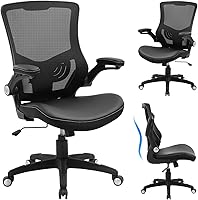
The BestOffice is an armless office chair with height adjustment, mesh, and mid-back lumbar support. Its armless design may suit a desk where you want room to move your arms.
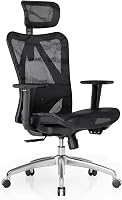
The Staples Hyken lets you adjust seat height and arm position, along with reclining resistance. Those adjustments can help you tune the chair to your desk and preferred seated position.
For more features to consider before choosing a chair, see our ergonomic office chair guide. Focus on the adjustment range and whether the chair's features suit your desk and body.
When should you use a footrest?
Use a footrest when the seat needs to be higher for comfortable desk reach, but your feet no longer rest on the floor. It should support both feet and keep your legs relaxed.
If the chair is already low enough for your feet and your arms reach the desk without raised shoulders, you may not need one. A footrest can't fix a desk that's so high that you must lift your shoulders to type.
Check that the footrest stays in place as you move your feet. Recheck your knee position after adjusting either the chair or footrest.
How should you adjust your chair height?
Make small changes, then check your feet, knees, and desk reach again. A few short adjustments are easier to evaluate than changing several parts of your setup at once.
- Sit back with your feet flat on the floor.
- Raise or lower the seat until your knees are around hip level.
- Check that the seat edge doesn't press hard behind your knees.
- Reach toward the desk with relaxed shoulders and elbows near your sides.
- Add a footrest if the desk fit requires a higher seat.
If the chair won't reach a suitable height, look at its adjustment mechanism and instructions before trying a fix. Make sure any replacement or add-on part is compatible with your chair.
What height should your office chair be for your setup?
Set the seat so your feet are supported, your knees are near hip level, and your arms reach the desk without raised shoulders. If your feet lose contact with the floor when you find that desk fit, add a stable footrest and recheck your position.
Choose an adjustable chair if you need more range to fit the desk. If you're comparing taller seating for a raised work surface, see drafting chair vs office chair; for stool seating, compare a saddle stool replacement seat or a saddle stool without wheels.
Frequently asked questions
How high should my office chair be?
Set the seat so your feet rest flat on the floor and your knees are around the same height as your hips. The right seat height depends on your leg length and desk, so use your posture and reach as guides instead of aiming for one universal measurement.
Should my feet touch the floor in an office chair?
Yes, your feet should rest flat on the floor when you're working in a standard seated position. If raising the chair helps you reach the desk but leaves your feet hanging, lower the chair or use a stable footrest.
How do I know if my office chair is too high?
Your chair may be too high if your feet dangle, you press your toes into the floor, or the seat edge presses into the backs of your thighs. Lower the seat until your feet rest flat, then check that you can still reach your work surface comfortably.
Should my chair be higher than my desk?
Your chair seat will usually sit below the desktop, but the useful relationship depends on your arm position. Adjust the chair so your shoulders stay relaxed and your elbows can rest near your sides while your forearms reach the desk; use a footrest if the seat must stay higher.