Standing Desk vs Converter: Which Should You Choose? (October 2026)
Choose a standing desk if you want to replace your whole workstation; choose a converter if you want to keep your current desk. Measure your space and check the height, surface area and weight limits before deciding.
On this page (10 sections)
- Standing desk vs converter: what is the main difference?
- Which option fits your room and current desk?
- Which gives you more usable workspace?
- How do their height adjustments compare?
- Which is easier to set up and adjust?
- What should you check before choosing?
- Which option suits your equipment?
- What products are relevant to this comparison?
- How did we compare a standing desk and converter?
- Standing desk vs converter: which should you choose?
Choose a standing desk if you want a new adjustable workstation; choose a converter if you want to keep your current desk. In the standing desk vs converter decision, start with your room, current desk and equipment rather than the product label.
A full standing desk replaces your desk with a height-adjustable frame and desktop. A converter sits on top of an existing desk and raises part of the workstation.
The VIVO Manual Height Adjustable Standing Desk Converter has a 31.5 × 15.7 in top and a keyboard tray that rises with it. The FEZIBO Standing Desk has a 47.2 × 23.6 in desktop, electric height adjustment and 3 memory presets.
 Best for keeping your current desk
VIVO Manual Height Adjustable Standing Desk Converter
Standing desk vs converter: what is the main difference?
A standing desk moves its own desktop; a converter raises equipment above the desk you already have. The choice affects floor space, surface layout and how much of your current setup you keep.
A full desk needs room for its legs and desktop. A converter needs a clear area on the existing desk, plus enough room for its base and raised platform.
Think about the entire work area, not just the desktop. A full desk may need more open floor space, while a converter can make an existing work surface feel crowded.
Which option fits your room and current desk?
Choose a converter when your existing desk has enough clear surface and you want to keep it. Choose a full standing desk when you need a different desktop or want the adjustable frame to replace the old one.
Measure the desk width and depth, then mark the converter footprint with paper or tape. Include space for a keyboard tray, monitor stands and any objects that stay on the desk.
The VIVO converter's 31.5 × 15.7 in top is only part of the measurement. For compact work surfaces, compare converters for small desks.
Its base and keyboard tray also occupy space, so check the full dimensions against your desk and daily layout.
If you are starting from a regular desk, how to convert a desk to a standing desk explains the choices involved in adapting what you have.
When does a full desk make more sense?
A full desk makes more sense when the current desk is too small, unstable or poorly arranged for your work. Its own legs also avoid stacking a converter on top of a surface you may later need to replace.
The FEZIBO's desktop measures 47.2 × 23.6 in, compared with the VIVO converter's 31.5 × 15.7 in top. That gives the desk a larger surface, but it also requires a larger floor footprint.
A full desk can also help if you want saved height settings. The FEZIBO has 3 customizable memory presets, while the VIVO uses a manual height-locking mechanism.
For powered full-desk alternatives, see FlexiSpot standing desk options.
When is a converter the practical choice?
A converter is practical when your desk already fits the room and your work habits. You can keep the existing desktop, storage and placement while raising the computer area.
Check what must move together when you change positions. The VIVO keyboard tray rises in sync with its top, so your keyboard and mouse can move with the work surface.
The VIVO has a stated 33 lb lift assist and supports up to 33 lb on the desktop. Add the weight of monitors, laptop, accessories and anything else you plan to raise before deciding it fits.
Which gives you more usable workspace?
A full desk generally gives you more total desktop area, while a converter uses only part of the current desk. Compare the dimensions you can actually use after accounting for monitors, input devices and desk items.
The FEZIBO measures 47.2 × 23.6 in across its desktop. The VIVO top measures 31.5 × 15.7 in, with a 31.3 × 11.8 in keyboard tray that is narrower at the center.
A converter can reduce the usable space below it. Check whether papers, drawers or desk accessories will remain reachable once the platform is in place.
If you have multiple displays, measure their stands and positions before selecting a converter. This guide to a standing desk converter with monitor mount covers the extra fit questions a mounted screen adds.
For 3 screens, check the total width and weight together. Our guide to a standing desk converter for 3 monitors focuses on that setup.
How do their height adjustments compare?
A full desk adjusts the desktop from its frame, while a converter lifts a platform from a fixed desk surface. Compare the adjustment range with the heights where you can work comfortably.
The FEZIBO's stated height range is 28.3 to 46.5 in. Its 3 memory presets let you save preferred desk heights.
The VIVO adjusts from 4.5 to 20 in above the existing desk surface. That range is measured from the desk, so add the existing desk height to understand the total working height.
Before buying, note the desktop height where you sit comfortably and the height where you can stand with relaxed shoulders. For help weighing those work modes, see standing desk vs sitting desk.
Then check whether the full desk's range or the combined desk-and-converter height can reach both positions.
A manual converter may suit you if you only change height occasionally or prefer not to add a motorized desk. See our guide to manual standing desk converters for factors to compare in that style.
Which is easier to set up and adjust?
A converter usually asks you to fit a unit onto the desk you own; a full desk requires setting up a separate desk. The amount of work depends on the space, parts and assembly steps for the model.
The VIVO needs minimal assembly: place it on the existing desk and attach the keyboard tray. That can make it appealing when you want to avoid replacing the whole workstation.
The FEZIBO comes with most components pre-assembled, but its desktop is in 2 pieces and needs to be connected to the frame. Plan room to assemble and position the full desk.
Adjustment is another difference. The VIVO uses manual lift assist and a touch height-locking mechanism; the FEZIBO adjusts electrically and saves 3 heights.
What should you check before choosing?
Check dimensions, equipment weight and working heights before you buy either type. A quick measurement can reveal whether the converter will crowd your desk or the full desk will take too much room.
For a converter, check the footprint, keyboard tray clearance and load limit. Make sure the desk surface is stable enough for the unit and leaves space for the items that won't be raised.
For a full desk, measure the available floor area and the delivery route. Include the distance from walls, cabinets and doors that you need to move around the workstation.
Compare the height range with your chair, keyboard and monitor positions. A desk or converter changes the work surface, but it doesn't guarantee that every screen and input device will land at a useful height.
If the standing desk itself is the likely choice, use How to Choose a Standing Desk: A Simple Guide to compare desk size and adjustment needs. If you are reusing a frame, How to Choose a Standing Desk Frame: Quick Fixes can help you assess fit and compatibility.
Which option suits your equipment?
Choose the option that supports your equipment while leaving enough usable surface. The converter's stated 33 lb desktop capacity and the FEZIBO's 176 lb capacity describe different setups, so compare each product's limit with the load it will carry.
For the VIVO, count everything placed on its raised top, including monitor stands and accessories. Its keyboard tray raises with the top, so account for the tray's contents as part of the moving workstation.
For the FEZIBO, consider the whole desktop and frame as the work surface. Its larger capacity can suit heavier equipment, but you still need to arrange the monitors and keyboard within the available dimensions.
Don't assume that a wider desktop alone solves screen placement. A standing desk converter with keyboard tray guide can help you compare where the keyboard sits relative to the raised display area.
What products are relevant to this comparison?
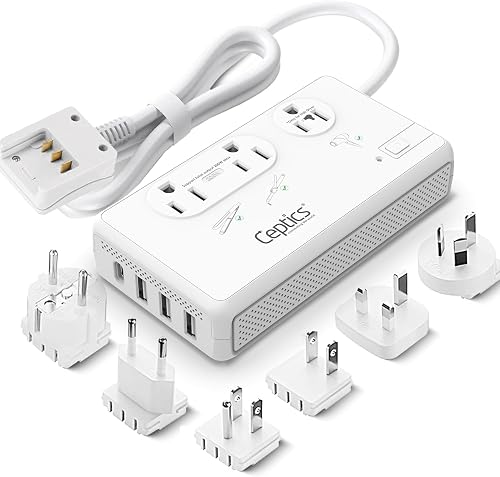
The VIVO converter and FEZIBO desk are the relevant choices here; the other products shown are different kinds of converters. Ceptics converts voltage for travel, and Portta converts analog video to digital recordings.
Neither raises a desk or changes a workstation's height.
How did we compare a standing desk and converter?
We compared the products by how they change a workstation, their dimensions, adjustment method and stated load limits. Our score weighs specs, features and buyer feedback against what you're shopping for.
A converter can preserve the desk you already own, but you need to check its fit and capacity. A full desk takes more room as a complete workstation, while offering its own frame and desktop.
The product scores reflect the supplied product facts, but the Ceptics and Portta models do not perform the desk conversion in this comparison. Use their descriptions only to identify their separate purposes.
Standing desk vs converter: which should you choose?
Pick the FEZIBO if you want to replace your desk with a larger electric work surface; pick the VIVO if your current desk works and you want a raised platform. Measure first, then match the dimensions and height range to your equipment and room.
The VIVO's 31.5 × 15.7 in top, raising keyboard tray and manual adjustment suit a compact add-on setup. The FEZIBO's 47.2 × 23.6 in desktop, electric adjustment and presets suit a full desk replacement.
If you want to keep your desk, begin with how to convert a desk to a standing desk. If you are replacing it, compare models using How to Choose a Standing Desk: A Simple Guide.
Frequently asked questions
Is a standing desk better than a converter?
A standing desk is a better fit when you want a new full-size work surface and adjustable legs. A converter is a better fit when your current desk works and you want to raise the keyboard and monitor area.
Compare the available floor space, surface area and adjustment range before choosing.
Can a desk converter work on any desk?
No. Check the converter's footprint, weight and lift capacity against your desk and equipment.
The VIVO converter has a 31.5 × 15.7 in top and supports up to 33 lb on the desktop.
Measure the desk and count the weight of the items you plan to raise.
Does a standing desk converter replace a desk?
A desk converter sits on an existing desk, so it adds an adjustable work surface without replacing the desk itself. A full standing desk has its own frame and desktop.
Choose the converter when you want to keep your desk, and the full desk when you want to replace it.
Can you use a standing desk and a converter together?
You can place a converter on a standing desk, but doing so adds height and takes up desktop space. Check the combined working height and the converter's weight limit, then see whether the raised surface still suits your seated and standing positions.
A converter may be unnecessary if the desk already adjusts to your preferred heights.
How do you choose between a standing desk and a converter?
Choose based on what you want to keep. If your current desk is sturdy, the right size and well placed, a converter can add a raised work surface.
If you need more space, adjustable legs or a different desk layout, compare full desks and measure the footprint before buying.