How to Make an Office Chair Higher
To make an office chair higher, lift the seat adjustment lever while you take your weight off the chair. If it reaches its limit, check the cylinder and consider a compatible replacement cylinder or a different chair.
On this page (7 sections)
- How do you raise an office chair with its lever?
- What height should you set the chair to?
- What if the chair will not rise any higher?
- Should you use risers under an office chair?
- How can you tell whether a chair fits your desk?
- What should you avoid when making a chair taller?
- How do you choose the next step?
To make an office chair higher, lift the seat adjustment lever while you take your weight off the chair. Release it when the seat reaches the height you need.
If it stops rising, the chair may have reached its range or need a cylinder check.
Start with the chair's own adjustment. That keeps the seat, backrest, and base working as designed, while improvised risers can make a rolling chair unstable.
How do you raise an office chair with its lever?
Stand beside the chair or lean your weight off the seat, then pull the height lever. Most gas-lift chairs rise when the seat is unloaded and the lever is engaged.
The lever is usually under the seat, near one side. Follow the chair manual if the lever location or operation is unclear.
To lower a chair, sit on it and pull the lever. To raise it, take your weight off the seat and pull the lever until the seat reaches the desired position.
If the chair does not move, avoid forcing the lever. Check for an obstruction, confirm the chair is assembled as instructed, and inspect the lever and cylinder for visible damage.
What height should you set the chair to?
Set the seat so your feet rest flat and your shoulders stay relaxed at the desk. Your knees should be near hip level, and your forearms should reach the work surface without lifting your shoulders.
If your feet do not reach the floor after you raise the seat, use a stable footrest. Raising the chair to match a tall desk can otherwise leave your legs unsupported.
For more detail on fit, read what height should my office chair be. Our guide to best sitting posture in an office chair covers how seat height works with back support and desk position.
A chair may feel too low because the desk is high, the cushion has compressed, or the user needs a different seat range. Check the whole sitting position before deciding that the chair itself is broken.
Can a cushion make an office chair higher?
A firm, nonslip cushion can add a small amount of height, but it changes the seat surface and may affect support. Choose one that stays in place and does not push you too far from the backrest.
Avoid stacking pillows or using a soft cushion that shifts when you move. If the added height makes the seat uncomfortable or puts your feet out of reach, use a proper footrest or consider a chair with a better height range.
What if the chair will not rise any higher?
If the lever works but the seat has reached its upper limit, the chair may not offer enough height for your desk or body. Check the manual for the chair's adjustment range before looking at replacement parts.
A worn gas cylinder can also stop a chair from holding or reaching its height. A replacement cylinder may be an option if it is compatible with the chair's base and seat mechanism.
Confirm dimensions and fit before ordering, and follow the replacement maker's safety instructions.
If you are unsure about the cause, contact the chair maker or a repair service. Don't disassemble a pressurized cylinder or try to heat, drill, or force it.
The BestOffice chair has a height adjustment feature, so it gives you a lever-based option if you are comparing chairs for a home or office setup.
Check that the chair's height range matches your desk and leg length before choosing it. Its product details give overall dimensions, but do not state the seat-height range.
Should you use risers under an office chair?
Avoid placing blocks or loose risers under a rolling office chair. They can shift or tip when the chair swivels, rolls, or takes your weight.
A chair mat helps protect the floor, but it is not a height adjustment. If the chair's range is too low, use a compatible replacement cylinder or choose a chair designed to sit higher.
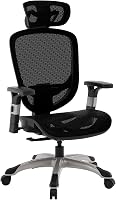
The Staples Hyken includes seat-height adjustment, so it may suit someone who wants an adjustable chair rather than a fixed-height workaround.
Its overall dimensions do not specify the seat-height range, so confirm that range before buying if you need a particular height.
How can you tell whether a chair fits your desk?
Check your feet, knees, arms, and back together after adjusting the seat. You should be able to reach the desk without shrugging, while your feet remain supported.
If the desk is too high for comfortable arm position, raising the chair may help only if your feet still reach the floor or a footrest. For sizing context, see what is the standard chair height.
A suitable ergonomic office chair can offer seat adjustment and other fit features. Read how to use an office chair for a broader setup walkthrough.
What should you avoid when making a chair taller?
Do not stack unstable objects under the chair or modify its base. Blocks, loose boards, and improvised extensions can make a rolling chair tip or slide.
Don't force a stuck lever or tamper with the gas cylinder. If the chair suddenly drops, makes unusual noises, or has a damaged base, stop using it until it has been checked or repaired.
Replacing the chair may be the clearest option when the cylinder is incompatible, the mechanism is damaged, or the chair's full height range does not fit your workstation. If you're comparing seat styles, see kneeling chair vs office chair, are gaming chairs good for your back, and mesh vs leather office chair.
How do you choose the next step?
If the chair still rises when unloaded, use its lever and stop at a height that keeps your feet supported. If the seat has reached its limit, check the manual and cylinder compatibility before considering a replacement part.
Pick a stable footrest if the chair fits your desk but your feet hang. Pick a chair with a higher seat range if the mechanism is sound but the maximum height is too low for your setup.
Frequently asked questions
How do I make my office chair higher?
Sit or stand clear of the seat, pull the height lever, and let the chair rise. Release the lever when it reaches a comfortable height.
If the seat does not move, check the chair manual and inspect the lever and cylinder for damage before trying again.
Can I make an office chair taller if it is already at its highest setting?
If the chair is already at its highest setting, check whether the cylinder is worn or whether the chair's height range is simply too short for you. A compatible replacement cylinder may help, but confirm its fit and maximum height.
If not, choose a chair with a higher seat range.
Is it safe to put a cushion on an office chair to make it higher?
A firm, stable cushion can add some seat height, but it may change how your body sits and how well the chair supports you. Check that it does not slide, raise you beyond a comfortable desk position, or reduce back support.
Avoid stacking loose cushions.
How high should an office chair be?
Set the chair so your feet rest flat on the floor or on a footrest, with knees near the level of your hips. Your shoulders should stay relaxed while your hands reach the desk.
The right height depends on your body and desk, so adjust both together.