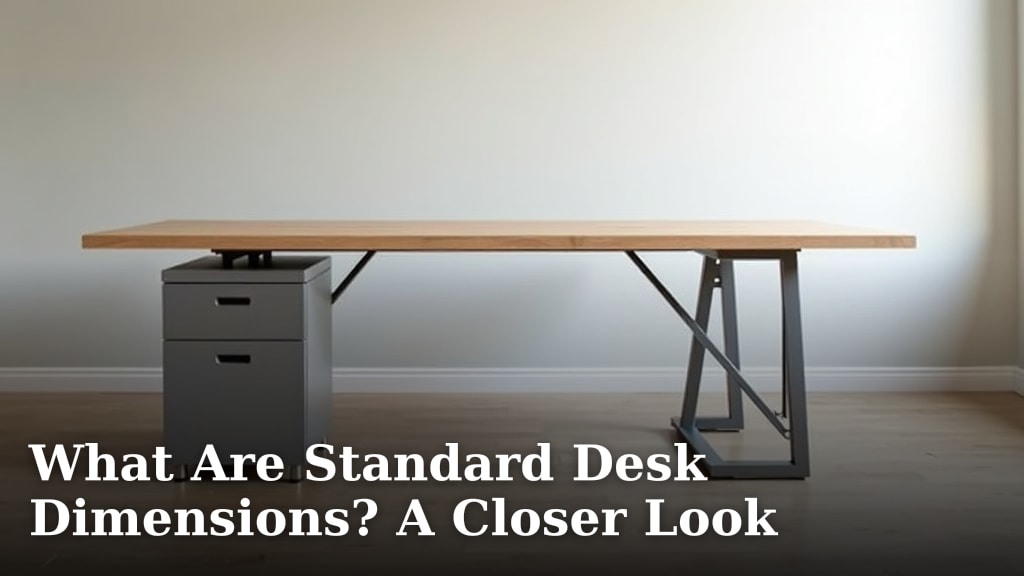
What Are Standard Desk Dimensions? A Closer Look
Standard desk dimensions typically range from 48 to 60 inches wide and 24 to 30 inches deep. For height, most desks fall between 28 to 30 inches tall. These are common sizes that fit well in most home offices and workplaces, offering enough space for your computer and work essentials without feeling too cramped.
Understanding these standard sizes is key when you’re looking for a desk that fits your space and your needs. Factors like room size, the amount of equipment you use, and even your own height can influence the best desk dimensions for you. It’s not just about fitting the furniture; it’s about creating a comfortable and functional workspace.
- Common desk width: 48-60 inches.
- Common desk depth: 24-30 inches.
- Standard desk height: 28-30 inches.
- Consider your room size and needs.
Let’s take a closer look at these dimensions and what they mean for your home office setup.
“`htmlUnderstanding Typical Desk Sizes for Your Workspace
Finding the right desk means knowing what fits your space and how you work. Standard desk dimensions are a great starting point. We’ve found that most desks fall into predictable size ranges. These common sizes are designed to work in many environments. They balance functionality with the need to not overwhelm your room.
Desk Width: How Much Space Do You Really Need?
Desk width is often the first dimension people consider. It determines how much horizontal space you have for your monitors, keyboard, and other items. We found that the most common desk widths range from 48 to 60 inches. This range offers a good balance for most users.
The 48-Inch Desk: A Compact Choice
A 48-inch wide desk is a popular choice for smaller rooms or minimalist setups. It’s narrow enough to fit into tighter spaces. You can comfortably place a single monitor and your keyboard. It’s a great option if you don’t need a lot of desk surface. Many people find this size perfect for apartment living or guest rooms.
The 55-Inch Desk: A Popular Middle Ground
Many desks in the 55-inch range offer a sweet spot. They are wider than the 48-inch option but not as expansive as larger models. This size usually accommodates two monitors side-by-side. You’ll also have room for essential office supplies. We’ve seen this size work well in many home offices. It feels substantial without being too dominant.
The 60-Inch Desk: Room to Spread Out
If you need more space, a 60-inch wide desk is a solid choice. This size allows for dual monitors, a full-size keyboard, and still leaves plenty of room. You might even fit a printer or a few reference books. This is ideal if you have multiple projects going at once. It ensures you don’t feel cluttered.
Desk Depth: How Far Back Does Your Desk Reach?
Desk depth, also known as the legroom or reach, is about how far the desk extends from the wall. This affects how far away you can place your monitor. It also impacts how much space you have for your chair. We found that typical desk depths are between 24 and 30 inches.
The 24-Inch Deep Desk: Maximizing Floor Space
A 24-inch deep desk is excellent for saving floor space. It sits closer to the wall, giving you more room to walk around. This is a smart choice for very compact offices. Just be mindful of monitor placement. You want to ensure your screen is at a comfortable viewing distance. Some people prefer this for a cleaner look.
The 30-Inch Deep Desk: For the Tech-Savvy User
Going deeper with a 30-inch desk offers more benefits. It provides ample space for larger monitors or multiple displays. You can pull your keyboard and mouse further away. This often leads to better ergonomics. It also allows for more items on the desk surface. If you have a lot of tech gear, this depth is worth considering.
Desk Height: Finding Your Comfortable Working Posture
Desk height is critical for ergonomic comfort and preventing strain. The standard height for most desks is designed to work with standard office chairs. We found that most desks measure between 28 and 30 inches tall. This range aligns with general recommendations from ergonomic experts.
Standard Height and Ergonomics
The typical desk height of 29-30 inches is based on studies of human posture. When seated, your elbows should ideally form a 90-degree angle with the desk surface. This allows your shoulders to remain relaxed. Many guidelines from occupational health bodies suggest this angle is key for preventing discomfort (CDC). If your desk is too high, you might find yourself hunching. If it’s too low, you could strain your back. It’s about finding that sweet spot for your body.
Adjustable Height Desks: The Ultimate Flexibility
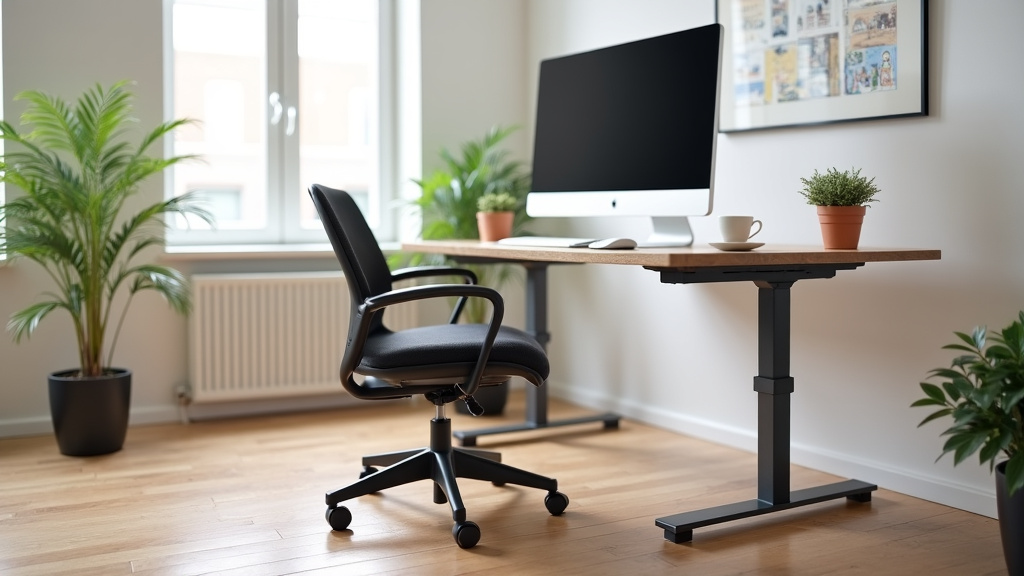
While standard heights are common, adjustable height desks offer a fantastic solution. These desks, often called sit-stand desks, allow you to change the height throughout the day. You can easily switch between sitting and standing. This movement can help improve circulation and reduce sedentary time. Many studies link prolonged sitting to various health concerns (NIH). An adjustable desk lets you tailor the height precisely to your needs at any given moment. While standard heights are common, adjustable height desks offer a fantastic solution.
Desk Styles and Their Dimensions
Different desk styles often come with their own typical dimensions. Understanding these can help narrow down your choices.
The Writing Desk: Simplicity and Style
Writing desks are generally more compact. They often prioritize aesthetics and a simpler workspace. Common dimensions might be around 40-50 inches wide and 20-24 inches deep. Their height is usually standard at 28-30 inches. These are great for lighter use, like occasional writing or a secondary workspace.
The Executive Desk: Presence and Functionality
Executive desks tend to be larger and more imposing. They are designed to offer ample workspace and storage. You’ll often find widths of 60 inches or more. Depths can range from 30 to 36 inches. The height remains standard, but the overall footprint is much larger. These desks are built for serious work and often come with drawers and cabinets.
The L-Shaped Desk: Maximizing Corner Space
L-shaped desks are designed to fit into corners. Their dimensions are typically given for each section. One side might be 60 inches and the other 50 inches, for example. The depth of each section is often standard, around 24-30 inches. These desks offer a vast amount of workspace. They are excellent for people who need multiple zones for different tasks.
The U-Shaped Desk: The Command Center
U-shaped desks provide the most workspace. They surround you on three sides. Dimensions can vary widely, but a common setup might have sides of 70-80 inches each. Depths are often 30 inches. These desks are for those who need extensive room for equipment and multiple monitors. They require a larger room to accommodate them comfortably.
Choosing the Right Desk Dimensions for Your Space
Selecting desk dimensions isn’t just about fitting it into a room. It’s about creating a functional and comfortable environment for you. Consider these points:
- Room Size: Measure your available space carefully. Leave room for a chair and walking paths.
- Your Height: Taller individuals might need a slightly higher desk or an adjustable model. Shorter individuals might find standard heights just right.
- Your Work Style: Do you use one monitor or several? Do you need space for notebooks and other materials?
- Equipment Needs: Consider printers, scanners, and other peripherals. Ensure they have a place to go.
A Quick Checklist for Your Desk Dimensions
Before you buy, run through this quick checklist:
- Does the desk width allow space for your monitor(s) and peripherals with comfortable arm room?
- Is the depth sufficient for your monitor(s) to be at an ergonomic viewing distance?
- Will the desk height allow your elbows to be at a 90-degree angle when seated?
- Have you measured your room to ensure the desk’s footprint fits without feeling cramped?
- Does the desk style complement your room and offer the layout you need for your tasks?
| Desk Dimension | Standard Range | Considerations |
|---|---|---|
| Width | 48-60 inches | Number of monitors, workspace clutter, room size. |
| Depth | 24-30 inches | Monitor size, ergonomic viewing distance, legroom. |
| Height | 28-30 inches | User height, elbow angle, chair compatibility. |
Conclusion
You’ve explored the standard dimensions for desks, from their width and depth to their height. Remember, these common sizes are a starting point. Your ideal desk should feel comfortable and boost your productivity. We found that considering your room’s layout, your personal height, and how you work is key. By measuring your space and thinking about your needs, you can choose a desk that truly enhances your workspace. Take the next step by measuring your room and envisioning your perfect setup.
Frequently Asked Questions
What’s the most common desk size for a small home office?
For smaller home offices, we found that desks around 48 inches wide and 24 inches deep are often the best fit. This size provides enough surface area for essentials without overwhelming the room. It allows for comfortable seating and easy movement around the desk.
Is a 60-inch desk too big for a standard bedroom?
A 60-inch wide desk can work in a standard bedroom, but it depends on the room’s overall size and layout. We recommend measuring your available space carefully. Ensure there’s still enough room for your bed and other furniture, plus a pathway to walk.
How do I know if a desk height is right for me?
The standard desk height of 29-30 inches works for many because it allows your elbows to rest at a 90-degree angle when seated. We suggest testing this by sitting at a table or desk of similar height. Your shoulders should feel relaxed, not hunched.
Are executive desks significantly larger than standard desks?
Yes, executive desks are typically larger. We’ve found their widths often start at 60 inches or more, and their depth can extend to 30-36 inches. This larger footprint offers more workspace and often includes built-in storage.
Can L-shaped desks help save space?
L-shaped desks are excellent for utilizing corner space efficiently. While they offer a large overall workspace, their design can make a room feel more organized. We recommend measuring your corner space to ensure the desk fits snugly and leaves adequate room.