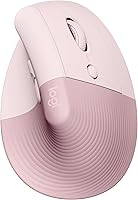
How to Choose a Wireless Left-Handed Ergonomic Mouse
The best left-handed ergonomic wireless mouse must fit your left hand first, then match your preferred connection and power routine. Check hand orientation, receiver needs, battery access and charging expectations before you buy.
On this page (10 sections)
- What should you check first in a left-handed ergonomic wireless mouse?
- Which wireless connection should you choose?
- How does hand fit affect daily use?
- Should you choose batteries or charging?
- What can you learn from the Anker model?
- Can a wireless keyboard and mouse combo replace a left-handed mouse?
- Is an ambidextrous combo a better compromise?
- How should you arrange the mouse at a sitting or standing desk?
- What other desk details affect mouse comfort?
- How do you make the final choice?
The best left-handed ergonomic wireless mouse combines a true left-hand shape with a connection and power system that fit your desk. Start with hand orientation before you compare wireless features or comfort claims.
A mouse shaped for the wrong hand can make every task harder. Your fingers may rest in the wrong place and your thumb may have no support.
Check the stated hand orientation first. Look for clear wording that says the shape was made for a left hand or works well in both hands.
Then compare how the mouse connects to your computer. A USB receiver and Bluetooth both remove the cable, but they suit different desks and laptops.
Consider where you will use the mouse each day. A home desk, an office desk and a standing desk may need different reach and receiver placement.
Wireless freedom helps when you change between sitting and standing positions. You can move the mouse with the keyboard without unplugging a cable.
It also reduces one cable on the desk. That can make a crowded workspace feel tidier and easier to adjust.
Wireless use adds another decision. You must keep a receiver available, maintain a Bluetooth connection or manage the mouse batteries.
A small receiver is easy to lose if it has no storage place. Check where it lives when the mouse is not in use.
Bluetooth pairing can be simple after the first setup. It may need attention again when you move the mouse to another computer.
Battery access matters just as much as connection. A mouse that needs batteries you do not keep at home can stop at the wrong moment.
Think about your normal working day before you choose. The best option is the one you can keep working with the least fuss.
Button placement also affects daily use. Side buttons should be easy to reach without moving your hand from its natural position.
The space beside your keyboard matters too. A large mouse can push into other items on a small desk.
A compact shape may suit a narrow tray better. A larger shape may suit a wide desk where your hand has room to rest.
If you are building a complete input setup, start with our ergonomic keyboard mouse guide. It covers how the keyboard, mouse and tray work together instead of treating the mouse as an isolated accessory.
That wider view helps you plan the full desk. You can check height, reach and spacing before you fix the mouse position.
Use this guide to narrow the choice step by step. Fit comes first, then connection, then power and finally extra features.
A clear left-hand fit will save more effort than chasing extra buttons later.
What should you check first in a left-handed ergonomic wireless mouse?
Check the hand orientation before the wireless features. A mouse designed for the right hand can feel awkward when used on the left, even if its connection is reliable and its shape looks ergonomic.
Look for clear wording such as left-handed, ambidextrous or a shape that is genuinely symmetrical. A product described as right-handed is not a suitable match for a left-handed grip.
Next, look at the controls. Side buttons, thumb rests and scroll-wheel placement can change how natural the mouse feels.
Controls designed around the right thumb may be difficult to reach or may sit under the wrong fingers when you switch hands.
The best shape depends on how you hold the mouse. A palm grip needs enough support for the hand, while a fingertip grip leaves more of the palm free.
A claw grip needs room for bent fingers without forcing the wrist into an awkward angle.
For a broader comparison of shapes, read which type of ergonomic mouse fits your hand. A vertical, contoured or ambidextrous design solves a different fit problem.
Which wireless connection should you choose?
Choose a USB receiver when you want a simple plug-in connection, and choose Bluetooth when you want to avoid a receiver and your computer supports it. The better option depends on your ports, devices and how often you move the mouse.
A 2.4 GHz wireless mouse normally uses a small USB receiver. You plug the receiver into the computer, then use the mouse without a cable across the desk.
Keep track of the receiver because the mouse depends on it.
A Bluetooth mouse pairs directly with a compatible computer. That can leave a USB port free, which matters on a laptop with few ports.
Pairing can take more setup than inserting a receiver, especially when you move between devices.
Wireless range matters less at a typical desk than connection stability and receiver placement. Keep the receiver in a clear port when possible.
If nearby USB devices cause interference, moving the receiver away from them with a suitable extension can help.
The Anker 2.4G Wireless Ergonomic Mouse uses 2.4 GHz wireless through a USB receiver, not Bluetooth. Its receiver is stored in the bottom of the mouse, and the mouse is right-handed, so it does not meet the left-hand requirement despite its vertical shape.
If you specifically want a cable instead of wireless, compare the connection and desk trade-offs in our guide to a left handed ergonomic mouse wired. If you want receiver-free pairing, see our left handed ergonomic bluetooth mouse guide.
How does hand fit affect daily use?
Your hand should rest on the mouse without twisting toward the pinky side. The shape should support your chosen grip while leaving your fingers close to the main buttons and scroll wheel.
A vertical design places the hand closer to a handshake position. That can feel different from a flat mouse, so give yourself time to adjust your grip and cursor control.
Do not choose a vertical shape simply because it is labeled ergonomic.
An ambidextrous mouse can be a practical choice when left-handed models are limited. Its shape is usually more balanced between hands, but it may offer less contouring than a dedicated left-handed design.
Size matters as much as shape. A small mouse can leave part of the palm unsupported, while a large mouse can make your fingers reach too far.
Compare the stated dimensions when available, then consider how much of your palm rests on the shell.
Button placement deserves a separate check. A left-handed mouse should put its primary controls under your left index and middle fingers.
Extra side buttons should be reachable without shifting your grip.
The best left handed ergonomic mouse roundup can help you compare left-hand shapes before narrowing the choice to wireless models.
Should you choose batteries or charging?
Choose replaceable batteries if you want to swap power quickly, and choose rechargeable power if you prefer a regular charging habit. Neither system removes maintenance completely.
Battery-powered mice need spare batteries available. Check the battery type and quantity before you buy, and keep replacements with your other computer accessories.
A quick swap can suit a busy working day. You can keep the mouse in use while you change the power source at your desk.
Rechargeable mice need a cable or charging dock, depending on the design. A charging routine works best when the cable is easy to reach without moving the mouse from its normal position.
Think about where you charge the mouse. A cable stored far away can make a simple routine feel like extra work.
Power-saving features can reduce how often a battery-powered mouse needs attention. The Anker model enters power-saving mode after 8 minutes of inactivity and wakes when you press the right or left button.
That sleep mode helps when you step away from the desk. It does not remove the need to check the batteries from time to time.
It requires 2 AAA batteries, which are not included. Plan to buy them before the mouse arrives so you can use it straight away.
Keep a spare pair in a drawer near your computer. That small step can prevent a lost working session when power runs low.
Do not choose based only on a claimed battery duration. Your use pattern, sleep settings and connection method affect how often you need to replace or recharge the power source.
Long periods of use each day can change your routine. Short daily use may need far less attention.
Check that the mouse has a clear way to show low power. A simple warning can give you time to prepare a swap or a charge.
Ask whether the batteries are easy to find in your area. A common size is easier to replace than a size you must order.
Also check whether the mouse can still work while it charges. Some desks prefer a mouse that can run during a charging pause.
Match the power system to your habits, not to a sales claim. The right choice is the one you will keep supplied without stress.
What can you learn from the Anker model?
The Anker 2.4G Wireless Ergonomic Mouse shows why a vertical shape does not automatically make a mouse left-handed. Its title identifies it as a right-hand vertical mouse with a USB receiver.
It uses optical tracking with selectable 800, 1200 and 1600 DPI settings. Those choices let you change cursor sensitivity for different desk tasks, but they do not change the hand orientation.
The mouse has 5 buttons, including next and previous buttons for web browsing. Its product dimensions are 120 x 62.8 x 74.8 mm, and its product weight is 3.4 oz in the product description.
The included set has the mouse, a 2.4G USB receiver stored in the mouse's bottom and an instruction manual. The 2 AAA batteries are not included.
Anker also states an 18-month warranty.
The click sound is unavoidable according to the product information. That makes sound a useful part of the choice if you work near other people or prefer quiet input.
Choose this model only when you use your right hand. Its vertical design and USB receiver may suit a right-handed desk, but they do not solve a left-handed fit problem.
Can a wireless keyboard and mouse combo replace a left-handed mouse?
A keyboard and mouse combo can simplify a desk, but you must inspect the mouse orientation separately. A full-size keyboard may suit your typing needs while the included mouse may not suit your left hand.
The Logitech MK345 Full Size Wireless Keyboard and Mouse Combo uses 2.4 GHz wireless through one included USB-A Nano Receiver. The keyboard is full size with a QWERTY layout, 104 keys, an integrated palm rest, media keys and a spill-resistant design.
Its included mouse is right-handed. That makes the combo a poor match for a left-handed user who needs a shaped mouse, even though the keyboard may fit the rest of the workspace.
The keyboard battery life is up to 3 years, and the mouse battery life is 18 months. The set requires 2 AA batteries, which are included.
It works with Windows, macOS and ChromeOS.
Use a separate left-handed mouse if the included right-handed mouse does not fit. That may use another USB port, so check your computer before arranging the final setup.
Is an ambidextrous combo a better compromise?
An ambidextrous mouse can be a better compromise than a right-handed mouse when more than one person uses the desk. It may also suit a left-handed user who prefers a neutral shape over a contoured left-hand model.
The Logitech MK270 Full Size Wireless Keyboard and Mouse Combo includes a compact mouse designed for both left- and right-handed users. Its full-size QWERTY keyboard has low-profile quiet keys, full-size F-keys, a number pad, arrow keys, adjustable-height tilt legs and a spill-resistant design.
The combo connects through one USB receiver and offers wireless range up to 33 ft. The keyboard battery life is 36 months, and the mouse battery life is 12 months.
The included mouse uses 1 AA battery.
Eight multimedia hotkeys provide shortcuts for internet, email, play or pause and volume. The keyboard and mouse are made with plastic parts, including certified post-consumer recycled plastic in the amounts stated for each component.
The mouse is not a dedicated left-handed ergonomic shape. Choose it when ambidextrous use, a compact mouse and a full-size keyboard matter more than a contoured left-hand design.
How should you arrange the mouse at a sitting or standing desk?
Keep the mouse close to the keyboard and let your left elbow stay near your side. A wireless connection gives you placement freedom, but moving the mouse too far away can still make your arm reach across the desk.
Place the mouse on the same surface as the keyboard. If you use a desk tray, make sure the mouse has enough room for normal pointer movement without hitting the tray edge.
At a standing desk, keep the mouse at a height that lets your forearm stay relaxed. Raise or lower the desk so the keyboard and mouse sit at a comfortable working level, then check the screen separately.
Our guide to How to Choose a Standing Desk: A Simple Guide covers the larger desk setup. The mouse should move with the keyboard when you change between sitting and standing.
Do not let the receiver hang where it can be knocked loose. If the computer sits under the desk, use a clear USB port or position the receiver so the wireless path is not blocked by nearby hardware.
What other desk details affect mouse comfort?
Mouse comfort depends on the whole input area, not just the mouse shell. Keyboard height, desk depth, surface texture and wrist support can change how much you reach or bend.
A keyboard with a high front edge may push the mouse farther away. Keep the keyboard centered, then place the mouse beside it rather than leaving a large gap between the two.
A mouse pad can give the sensor a consistent surface and define a comfortable movement area. Choose one large enough for your normal sensitivity setting without forcing your elbow to move constantly.
A wrist rest should support the palm during pauses, not press into the wrist while you move the mouse. Our guide explains how to use a mouse wrist rest without treating it as a substitute for a suitable mouse shape.
Your keyboard choice also affects the available space. If you are considering a mechanical board, read are mechanical keyboards ergonomic before choosing a tall or compact layout for the same desk.
How do you make the final choice?
Pick the hand orientation first, then choose the wireless system that matches your computer and power routine. A left-handed ergonomic wireless mouse is a fit decision before it is a feature decision.
Use this order:
- Confirm the mouse is left-handed or ambidextrous.
- Check the grip shape and whether your fingers reach the main controls.
- Choose USB receiver or Bluetooth based on your available ports and devices.
- Check battery type, charging method and included batteries.
- Measure the desk area beside the keyboard.
- Consider noise, receiver placement and movement between sitting and standing positions.
- Read the product details again before ordering if hand orientation or power information is unclear.
The Anker model is a right-handed vertical option, so it does not fit the main search need. The Logitech MK345 includes a right-handed mouse, while the Logitech MK270 includes an ambidextrous mouse that can suit a shared or neutral setup.
For a dedicated left-handed choice, prioritize a mouse that states left-hand support. For a flexible shared desk, an ambidextrous shape may be the better trade-off.
The best left handed ergonomic wireless mouse is the one whose hand fit, connection and power routine all match how you work.
Frequently asked questions
What is the best left-handed ergonomic wireless mouse?
The best choice has a shape made for your left hand, a wireless connection your computer supports and a power setup you can manage. Check whether it uses a USB receiver or Bluetooth, then compare the grip, button layout and battery or charging routine before choosing.
Are vertical mice good for left-handed users?
A vertical mouse can suit a left-handed user only if its shape and controls are made for the left hand. A right-handed vertical mouse will not become left-handed because it is wireless.
Check the stated hand orientation before you focus on the vertical angle.
Is Bluetooth better than a USB receiver for a wireless mouse?
Bluetooth can reduce the need for a separate receiver, while a USB receiver can offer a simple plug-in setup on computers with an available USB port. Choose the connection your computer supports reliably and consider whether you move the mouse between several devices.
Do wireless ergonomic mice need charging?
Some wireless mice use replaceable batteries, while others use an internal rechargeable battery. Battery models need occasional replacement, and rechargeable models need a charging routine.
Check what power source the mouse uses before assuming it can charge from your desk.
Can a left-handed wireless mouse work with a standing desk?
Yes. A left-handed wireless mouse can work at a standing desk if the receiver or Bluetooth connection reaches the computer and the mouse has a stable surface.
Keep the mouse close enough for comfortable arm movement and adjust the keyboard and screen with the desk.